Failing a California smog check can be frustrating, especially when vehicle registration deadlines are approaching. Fortunately, many emissions-related problems can be identified and corrected before a retest.
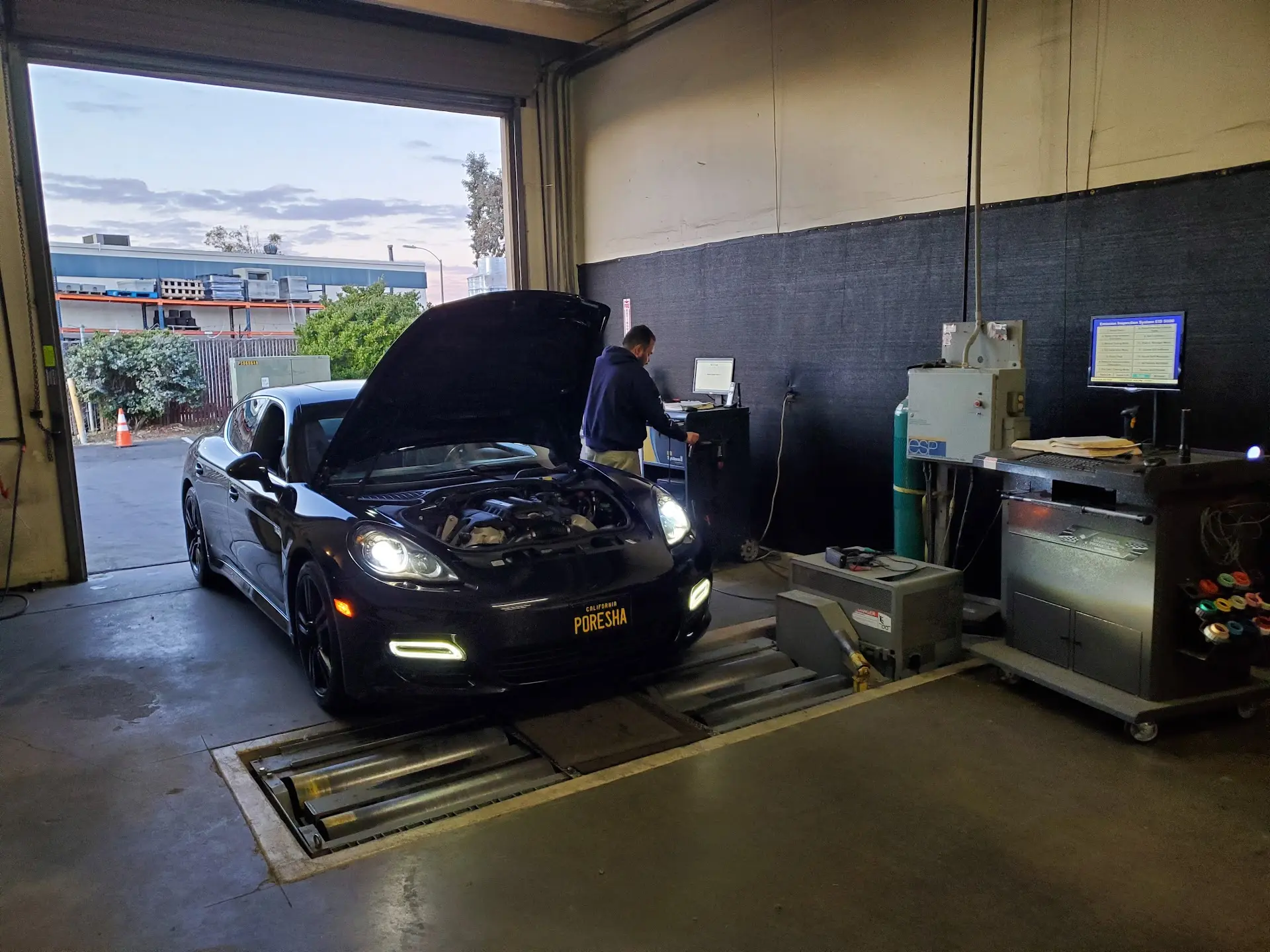
Understanding the most common reasons vehicles fail smog inspections can help drivers prepare and potentially avoid unnecessary delays.
Check Engine Light Is On
The most common reason for a failed smog inspection is an illuminated Check Engine Light. Modern vehicles continuously monitor emissions-related systems, and an active fault code can trigger an automatic failure.
Even if the vehicle appears to drive normally, a Check Engine Light typically indicates an issue that must be diagnosed and repaired. If your registration renewal requires testing, learn more about our DMV Smog Check service.
Readiness Monitors Are Not Complete
Many newer vehicles use onboard diagnostic systems that perform self-tests known as readiness monitors.
If the battery has recently been disconnected or diagnostic codes have been cleared, these monitors may not be ready. In some cases, a vehicle cannot pass inspection until the readiness monitors have completed their testing cycles.
Vehicles selected by the DMV for enhanced testing may require a STAR Smog Check once all readiness monitors have completed successfully.
Faulty Oxygen Sensors
Oxygen sensors play an important role in controlling fuel mixture and emissions. When they malfunction, emissions can increase and trigger diagnostic trouble codes that lead to a failed inspection.
Replacing faulty oxygen sensors can often improve vehicle performance and help restore emissions compliance.
Catalytic Converter Problems
The catalytic converter helps reduce harmful emissions before they exit the exhaust system.
If the converter is damaged, inefficient, or missing, the vehicle may fail emissions testing and trigger fault codes.
Vehicles with significant emissions issues may eventually be classified as gross polluters. Learn more about our Gross Polluter Smog Check service.
Evaporative Emissions System Issues
The evaporative emissions system, often called the EVAP system, prevents fuel vapors from escaping into the atmosphere.
Problems such as loose gas caps, damaged hoses, or faulty components can cause emissions-related faults.
Excessive Tailpipe Emissions
Older vehicles may fail because emissions exceed allowable limits.
Potential causes include:
- Worn spark plugs
- Fuel system problems
- Vacuum leaks
- Ignition system issues
- Engine performance problems
Modified Emissions Equipment
California requires vehicles to maintain required emissions-control components.
Modified, removed, or non-compliant emissions equipment can result in a failed inspection.
If you recently purchased a vehicle, remember that California often requires a Change of Ownership Smog Check before registration can be completed.
What Should I Do If My Vehicle Fails?
If your vehicle fails a smog check, the inspection report will identify the reason for the failure. This information can help determine what repairs may be necessary before retesting.
In many cases, emissions-related issues can be corrected successfully and the vehicle can pass a subsequent inspection.
If the vehicle was recently brought into California from another state, you may also need an Out-of-State Smog Check inspection before completing registration requirements.
Need a Smog Check in Temecula?
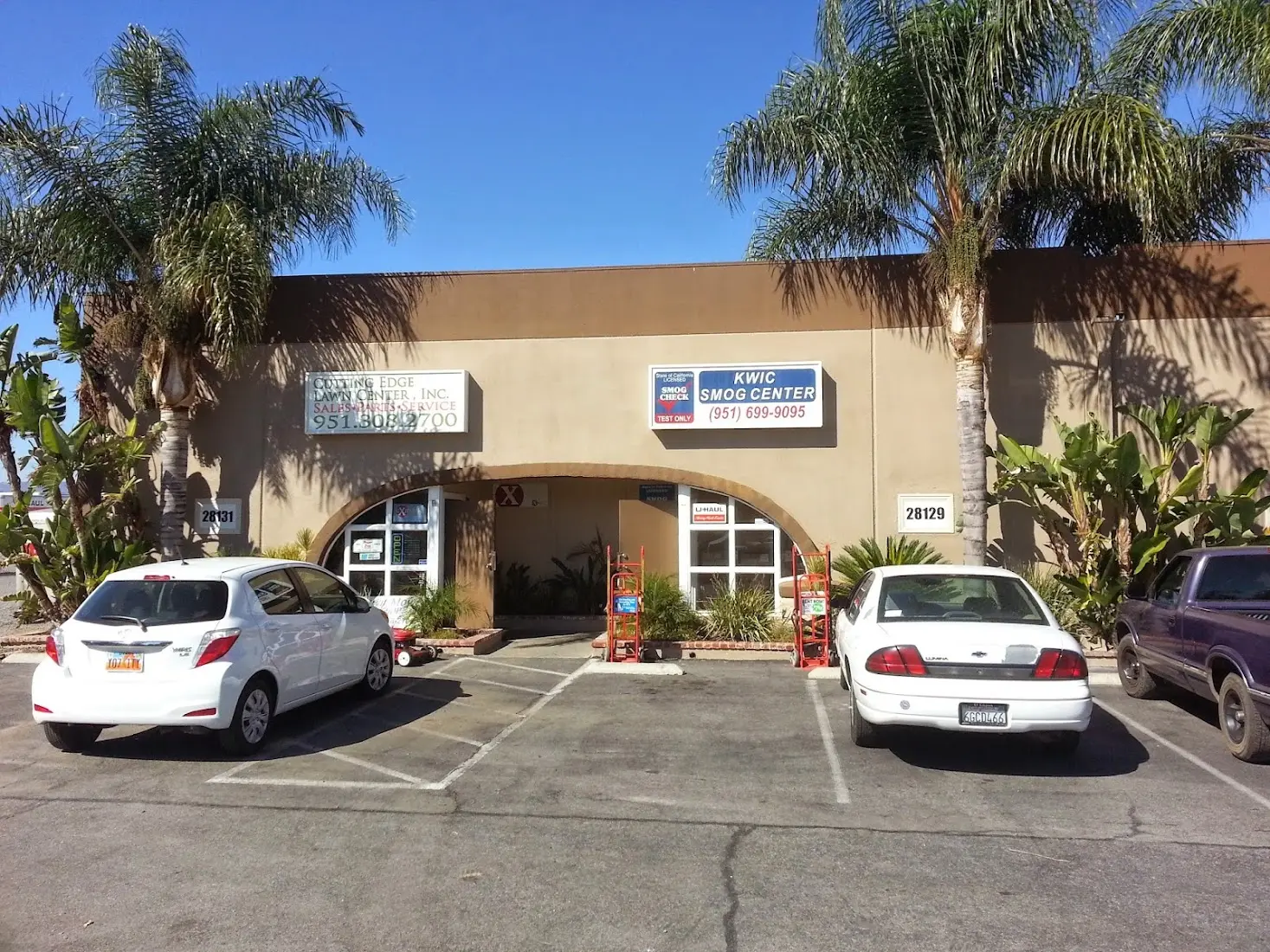
KWIC Smog Center provides STAR Smog Checks, DMV Smog Inspections, Diesel Smog Checks, Change of Ownership Smog Checks, and Out-of-State Vehicle Inspections throughout Temecula, Murrieta, French Valley, and Winchester.
Learn more about our DMV Smog Check Services, STAR Smog Checks, or view our current smog check coupon.
Before your next inspection, review our guide: How to Pass a Smog Check in California.
 How to Pass a Smog Check in California